Georgia Pacific: Reclaiming Tomorrow


OUR ACTIVE RECLAMATION STORY

Our Commitment

To Mining Sustainability

A Holistic Model for Environmental Renewal & Community Partnership

Active reclamation is an essential part of modern gypsum mining, transforming extraction sites into functional landscapes that support wildlife, recreation, and community life. Across North America, Georgia-Pacific (GP) has embraced reclamation as an ongoing commitment woven into the full mining lifecycle - from early planning to post-closure stewardship. This proactive approach restores ecological integrity, strengthens relationships with local communities, and sets a model for sustainable resource use.

Reclamation Begins

Before Mining Starts

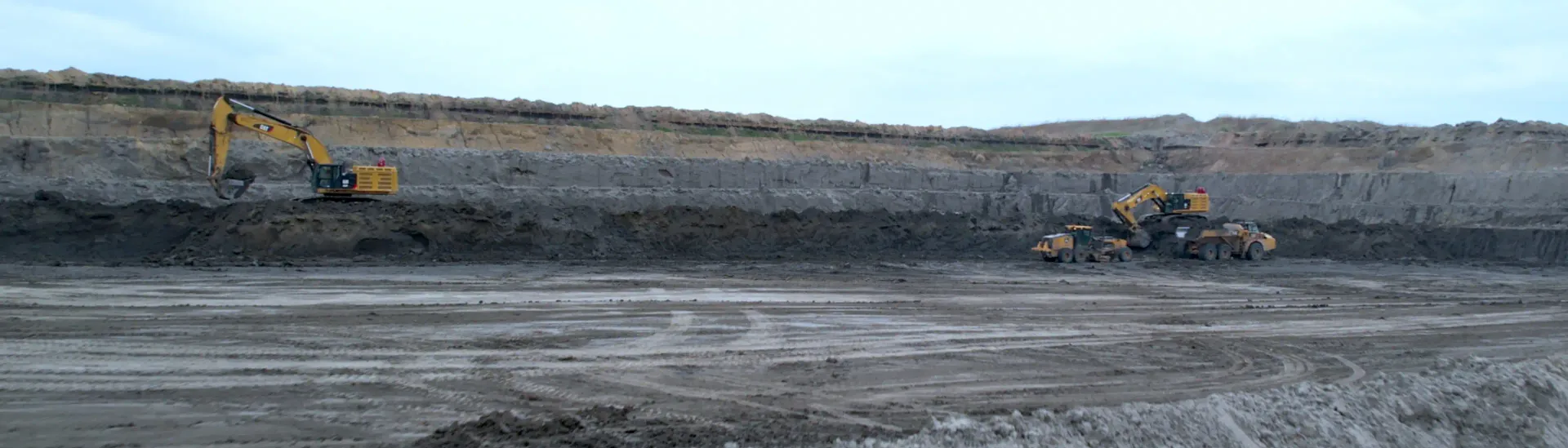
Land stewardship starts long before the first load of gypsum is removed. The reclamation process is integrated into mine design itself, ensuring sustainability and long-term land health. With every new mining operation, GP thinks about sustainability first, establishing both reclamation and mine-closure plans early in the process.

This forward-thinking framework helps balance the economic value of gypsum with the environmental responsibility of restoring landscapes. It also ensures compliance with regulatory bodies such as state and federal agencies and provincial authorities. Working closely with regulators, landowners, and First Nations organizations also helps ensure that reclaimed land meets or exceeds expectations for public use, ecological functionality, and community benefit for future generations.


Extract

Replace

Renew

A Step by Step method

Grounded in Ecology

1 2 3 4 5

GP's reclamation approach follows a consistent ecological structure:

  1. Complete resource extraction from designated pits.
  2. Backfilling and grading the mined areas to restore natural topography.
  3. Replacing subsoil and topsoil that were carefully removed and stored.
  4. Seeding with native vegetation suited to local ecosystems.
  5. Allowing natural processes—water flow, plant growth, animal habitat use — Transforming the area into a self-sustaining landscape.

This approach allows reclaimed land to heal and return to a natural-looking landscape, supporting the return of wildlife, encouraging natural water systems to re-establish, and recreating the grasslands, prairies, and wetlands that originally characterized many gypsum deposits.

Fort Dodge, Iowa

From Mine to Recreation Destination

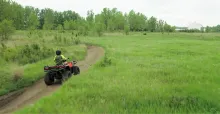
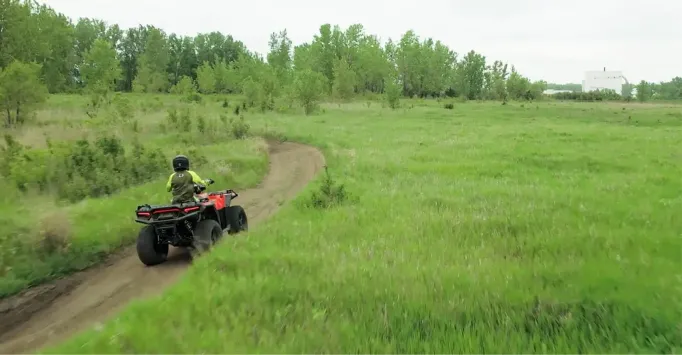
One of the most successful examples of active reclamation in the gypsum industry sits in Fort Dodge, Iowa. The Gypsum City Off-Highway Vehicle (OHV) Park—a stunning 800-acre recreation area with 65 miles of machine-specific trails—stands where a large gypsum mine once operated.

The park illustrates the potential for reclaimed land to support entirely new community uses. GP, in accordance with their active reclamation process, restored the landscape to pravirie and grassland and established a water source for wildlife. The partnership with the Iowa OHV Association allowed for the transformation of a mined gypsum site into one of the Midwest's premier OHV destinations. Local organizations praise the project as a model partnership that provides safe, legal trail systems for riders while preserving land integrity for future generations.

The reclamation process led to a flourishing wildlife habitat, where coyotes, beavers, bats, and migratory birds are once again thriving in the area. For local GP employees who live in Fort Dodge, this successful restoration underscores the companys values: returning land to its natural state, supporting community well-being, and proving that mining, sustainability, and recreation can coexist.
Lovell , Wyoming

Stewardship On Public Lands

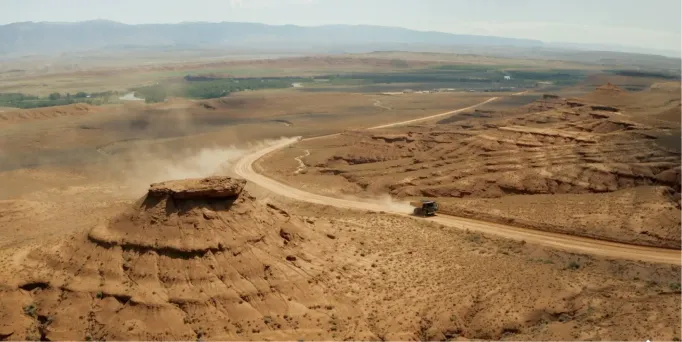
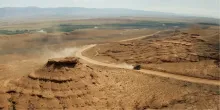
In Lovell, Wyoming, GP operates gypsum quarries on U.S. Bureau of Land Management (BLM)-managed public land, where reclamation standards are especially rigorous. These operations require complete utilization of the gypsum resource while protecting vital topsoil, vegetation, and surrounding habitats. Georgia-Pacific maintains a strong relationship with the BLM to ensure compliance and innovation in land restoration.

Reclamation in Wyoming mirrors the company's broader process—backfilling, topsoil replacement, and reseeding with native plants. The goal is to return the public land to a usable state for recreation and ecological continuity.

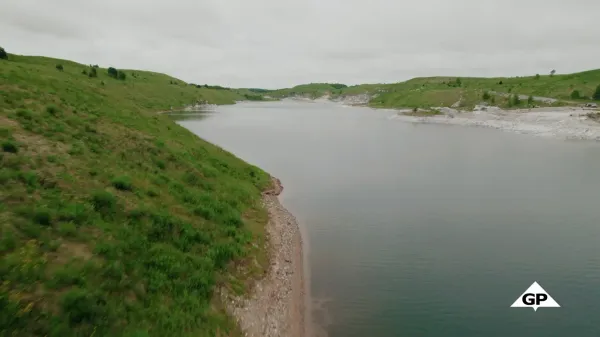
In Lovell, the resulting landscape blends back into the natural high-desert environment, supporting both wildlife and public recreation while demonstrating responsible mining on shared lands, meeting all national requirements with excellence.

Nova Scotia

A Partnership Rooted In Indigenous Wisdom

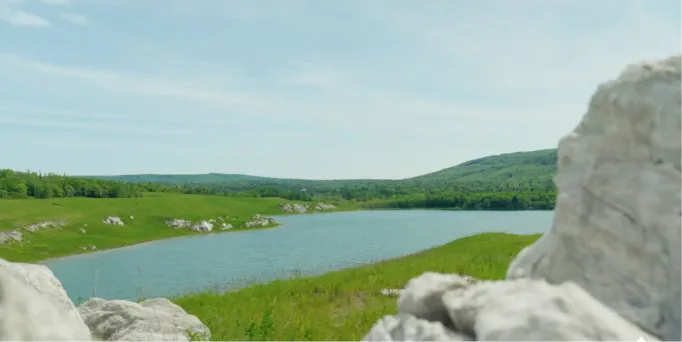
In Cape Breton, Nova Scotia, Georgia-Pacific's reclamation efforts reflect a unique collaboration with Mi'kmaq communities. The region—part of the traditional district of Unama'ki—offered an opportunity to apply the “Two-Eyed Seeing” approach, which combines Western science with Indigenous ecological principles.

From the beginning, the elders requested involvement to ensure land restoration honored cultural relationships with the environment. GP embraced the partnership, supporting a formal memorandum of understanding and working closely with community leaders throughout the life of the mine.

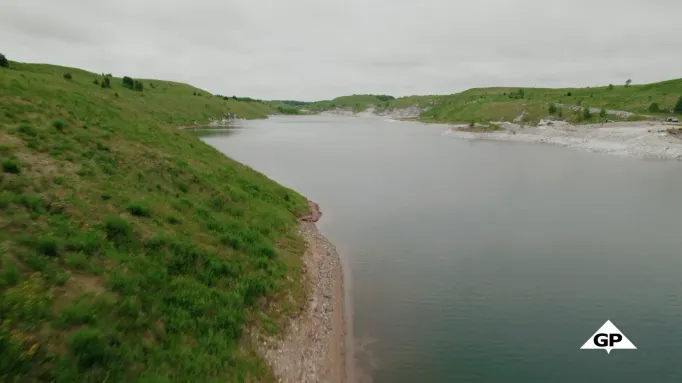
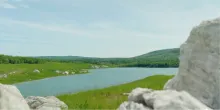
The site, alongside two others in Nova Scotia, is now a vivid example of successful reclamation: hydroseeded slopes, restored grasslands, a thriving microbiome, and even a returning beaver population—which scientists and community members alike view as a sign of ecological success. The nearby Glen Brook salmon stream was also protected through designation as a salmonic management zone, ensuring long-term habitat health.

Community leaders and regulators consistently praise these sites as some of the most impressive reclamation examples in the region—proof that industry, Indigenous communities, and the environment can all benefit from meaningful collaboration.

Active Reclamation

A Model for Sustainable Gypsum Mining

Across all its operations, Georgia-Pacific demonstrates that active reclamation is not an afterthought—it is a promise. A promise to restore natural beauty, to support future generations, and to ensure that mining operations continue within thriving ecosystems and vibrant communities. From prairie revitalization to recreational park creation, from protected salmon streams to desert landscapes reborn with native vegetation, GP's model shows that responsible resource use can lead to genuine renewal.

Through careful planning, deep partnerships, and reverence for the land, active reclamation is transforming gypsum mining from a purely extractive industry into one that honors both progress and stewardship, and with this mindset, it is Georgia-Pacific's aim to continue reclaiming tomorrow.

GP: Reclaiming Tomorrow